Sports Injury
What is Sports Injury?
Sports injuries are common and can be both painful and debilitating. Whether you are involved in a car accident or injured while playing sports, it’s important to seek medical attention immediately

Why You Should See A Chiropractor For Sports Injury Treatment
- Chiropractors are highly trained in assessing and diagnosing musculoskeletal injuries such as whiplash, strains, and sprains.
- Chiropractic care is non-invasive and drug-free, using a range of techniques to alleviate pain and restore function.
- Chiropractors take a holistic approach to treatment, addressing underlying issues that may have contributed to the injury.
- Chiropractic care can help prevent future injuries from occurring.
- Chiropractic care can help avoid the need for surgery, which can be costly and have long recovery times.
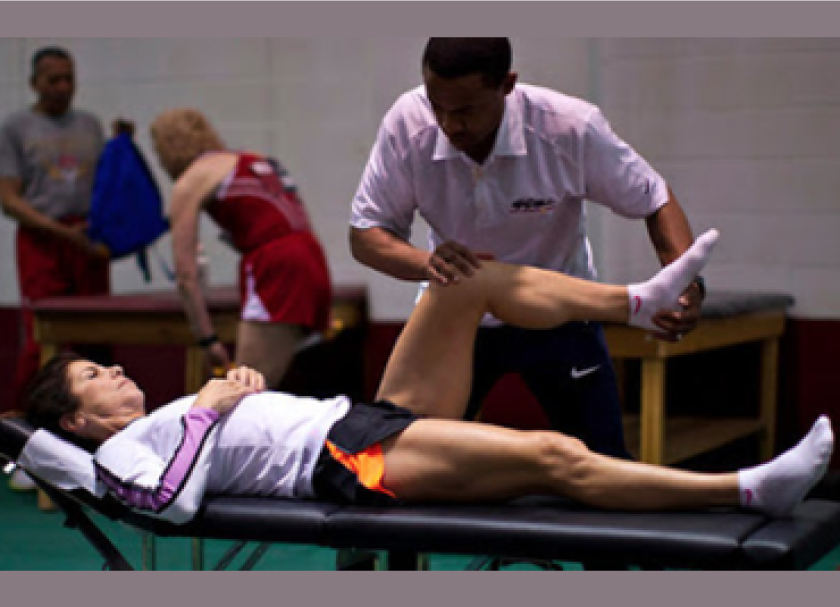
Types of Sports Injuries
Whiplash
Whiplash is a common injury that occurs when the head is suddenly jerked back and forth. This can cause damage to the neck and spine and result in pain, stiffness, and limited range of motion.
Concussion
A concussion is a type of traumatic brain injury that occurs when the brain is jolted within the skull. This can happen during a car accident or while playing contact sports. Symptoms of a concussion can include headache, dizziness, confusion, and memory loss.
Fractures
Fractures can occur in any bone in the body and can be caused by a variety of accidents, including car accidents and sports injuries. Symptoms of a fracture can include pain, swelling, and difficulty moving the affected area.
Sprains and Strains
Sprains and strains are common injuries that occur when ligaments or muscles are stretched or torn. These injuries can cause pain, swelling, and limited mobility.
Torn Ligaments
When the body becomes injured because of sports or training, symptoms that can occur are:
A torn ligament is a serious injury that can occur during a sports game or car accident. This can cause severe pain and swelling and may require surgery to repair.
Common Symptoms of Sports Injuries
- Swelling
- Burning, dull pain
- Headaches
- Muscle pain
- Inflammation
- Muscle spasms

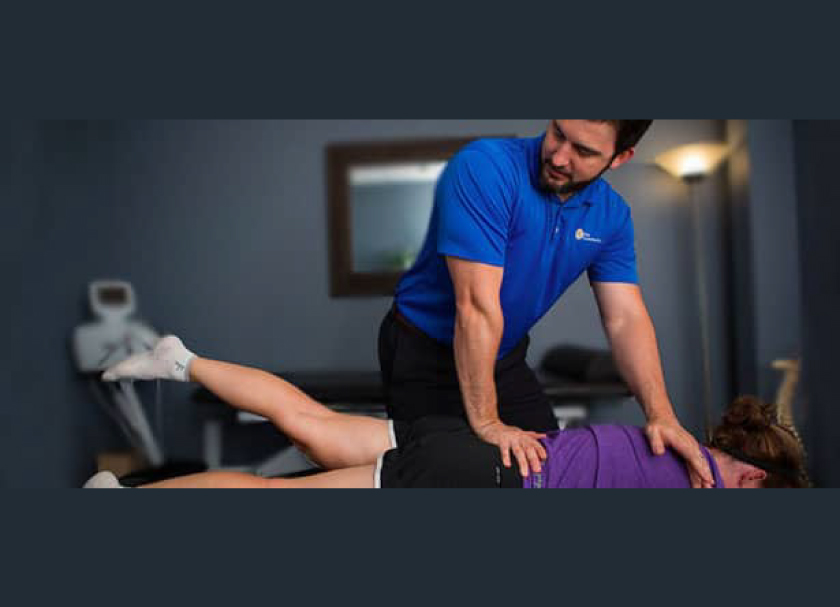


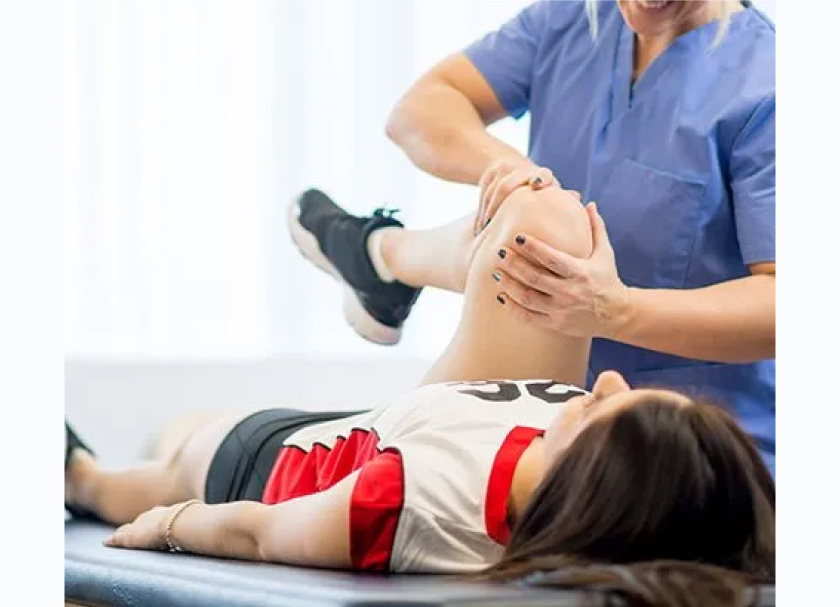
Treatment Options for Sports Injuries by Chiropractor
Chiropractic Adjustments
Chiropractic adjustments involve applying a controlled force to joints that have become misaligned or restricted in movement. This can help restore mobility and reduce pain. Chiropractors may use a variety of techniques, including spinal manipulation, to perform adjustments.
Soft Tissue Therapy
Soft tissue therapy involves massaging and manipulating soft tissues, such as muscles, tendons, and ligaments. This can help reduce pain, increase blood flow, and promote healing.
Electrical Stimulation
Electrical stimulation involves applying a low-level electrical current to the affected area. This can help reduce pain, reduce inflammation, and promote healing.
Ultrasound Therapy
Ultrasound therapy involves using high-frequency sound waves to stimulate healing in the affected area. This can help reduce pain, improve circulation, and promote healing.
Cold Laser Therapy
Cold laser therapy involves using low-level laser light to stimulate healing in the affected area. This can help reduce pain, reduce inflammation, and promote healing.
Exercise Therapy
Exercise therapy involves performing specific exercises to help restore mobility and strength to the affected area. A chiropractor may provide a customized exercise plan to help you recover from your injury.
Internal Risk Factors That May Predispose an Athlete Can Include
- Age
- Biological sex
- Body composition
- Health
- Physical fitness
- Anatomy
- Skill level
- Psychological factors
- Sports factors
- Protective equipment
- Environment
What Techniques Can Be Used to Prevent Injuries?
Chiropractors can help not only treat injuries but also prevent them from occurring. Before starting a new exercise regimen or sport, it’s recommended to visit a chiropractor. They can assess your muscles and spine for imbalances or tension, which can reduce pain and stiffness and minimize the risk of future injuries.
When it comes to sports injuries, chiropractic care is especially effective. Soft tissue-related accidents and body mechanics-related issues are the most common types of sports injuries, and chiropractors are experts in treating them. Chiropractors focus not just on pain relief, but also on addressing the root causes of pain, which can include-
- Muscular Imbalances
- Biomechanical Deficiencies
- Improper Techniques, and
- Improper Conditioning.
Drive Defensively
FAQ's
1.What is the best treatment for sports injuries?
The treatment for sports injuries depends on the severity of the injury. Some injuries may require rest, ice, compression, and elevation, while others may require physical therapy, medication, or even surgery. It's important to consult with a medical professional to determine the best course of treatment for your specific injury.

2.How long does it take to recover from an sports injury?
Recovery time depends on the severity of the injury and the type of treatment received. Some injuries may take a few days to heal, while others may take several weeks or even months. It's important to follow your doctor's instructions and allow your body time to heal before returning to your regular activities.
3. Can chiropractic care help with sports injuries?
Chiropractic care may be beneficial in the treatment of certain sports injuries. Chiropractors specialize in the diagnosis and treatment of musculoskeletal problems, such as back pain, neck pain, and joint pain. However, it's important to consult with a medical professional to determine if chiropractic care is appropriate for your specific injury.
4. What should I do if I experience pain after a sports injury?
If you experience pain after a sports injury, it's important to seek medical attention. Pain can be a sign of a serious injury, and it's important to get a proper diagnosis and treatment plan as soon as possible.
5. Can I prevent sports injuries?
There are several steps you can take to help prevent sports injuries, such as wearing appropriate protective gear, warming up before physical activity, and following safety guidelines. It's also important to maintain good overall health through proper nutrition and exercise.
Ready To Get Started