Back Pain
What is Back Pain?
Back pain can have causes that aren’t due to underlying disease. Examples include overuse such as working out or lifting too much, prolonged sitting and lying down, sleeping in an uncomfortable position or wearing a poorly fitting backpack.

Why should I have service?
Benefits
What to Expect

What therapy is needed for back pain?
What therapy is needed for back pain?
Types
Doctors and researchers describe the types of back pain in the following ways:
- Acute back pain happens suddenly and usually lasts a few days to a few weeks.
- Subacute back pain can come on suddenly or over time and lasts 4 to 12 weeks.
- Chronic back pain may come on quickly or slowly and lasts longer than 12 weeks and occurs daily.



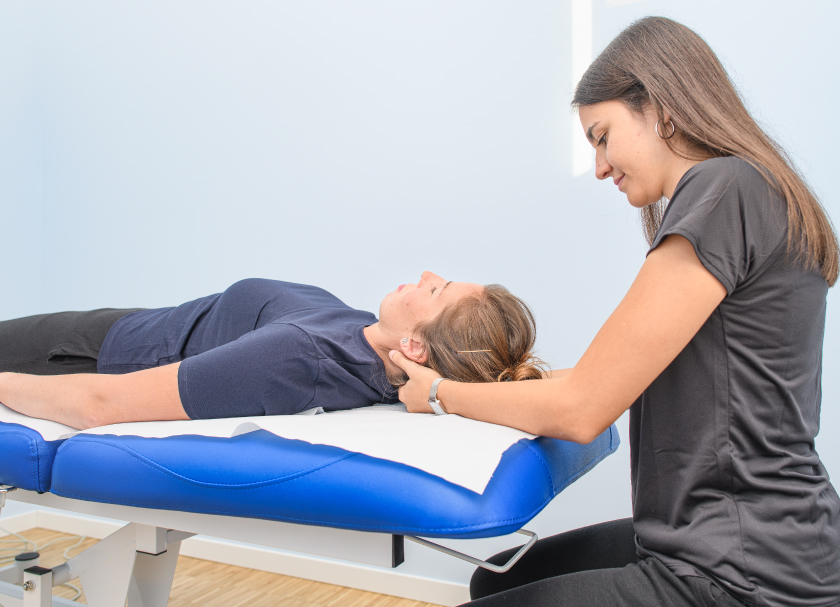
Causes and symptoms
- Increasing pain with lifting and bending.
- Worsening pain when resting, sitting, or standing.
- Back pain that comes and goes.
- Stiffness in the morning when awakening and lessened back pain with activity.
- Pain that radiates away from the back into the buttocks, leg, or hip.
- Numbness or weakness in your legs or feet.
You should see a doctor if your pain does not improve after a few weeks or if any of the following symptoms happen with your back pain:
- Numbness and tingling.
- Severe back pain that does not improve with medication (see Treatment section).
- Back pain after a fall or injury.
- Back pain along with:
- Trouble urinating.
- Weakness, pain, or numbness in your legs.
- Fever
- Weight loss that you did not intend.
Treatments
Treatment
Physical therapy
- Cortisone injections.
- Radiofrequency ablation.
- Implanted nerve stimulators.
- Surgery.
Medications
Risk factors
- Age. Back pain is more common with age, starting around age 30 or 40.
- Lack of exercise. Weak, unused muscles in the back and abdomen might lead to back pain.
- Excess weight. Excess body weight puts extra stress on the back.
- Diseases.
- Improper lifting.
- Psychological conditions.
- Smoking.
Prevention
- Do muscle-strengthening and stretching exercises at least 2 days a week.
- Stand and sit up straight.
- Avoid heavy lifting. If you do lift something heavy, bend your knees and keep your back straight. ...
- Get active and eat healthy. Being overweight can strain your back.
What procedure is done for back pain?
FAQ's
1.What to expect in back physical therapy?
Your therapist will teach proper body posture techniques for sitting, standing, and lifting that reduce the likelihood of back strain or injury. You will also learn specific exercises to do at home. Regularly performing these recommended home exercises can help your back muscles strengthen more quickly.

2.How long is physical therapy for back pain?
There is no standard length of time PT usually takes. Depending on a person's injury or health condition, they may require sessions one or more times per week for several weeks or months in addition to an at-home exercise program.
3. What happens after physical therapy is done?
After you complete your therapy sessions, your physical therapist will give you additional instructions for using what you've learned in your regular life. This may include stretches and exercises to do every day, or rules for easing back in to regular activity.
4. What exercises help with back pain?
There are many types of exercise recommended for back pain, including:
- Biking
- Daily activities such as house cleaning and gardening.
- Low-impact aerobics.
- Resistance exercises.
- Stationary cycling.
- Stretching exercises.
- Swimming
5. Does physical therapy have side effects?
It is completely normal to be sore after a treatment, or even have a flare-up temporarily after. We are working on injured muscles/joints, therefore, it's normal to experience slightly more soreness and pain after treatment, or experience more DOMs.
Ready To Get Started